Overview
Bridging Minds: How Psychology and Neuroscience Shape the Future of Artificial General Intelligence
The inaugural Workshop on Cognitive Reasoning brought together researchers in psychology, neuroscience, and artificial intelligence to explore how the study of human minds and brains can inform artificial general intelligence. The one-day program connected attention and social inference with causal discovery, detailed brain simulation, autonomous agents, collective decision-making, and AI safety.
Eleven speakers presented complementary approaches to understanding intelligence. The morning sessions ranged from information-theoretic accounts of attention to cognitive architectures for autonomous agents; the afternoon extended the discussion to collective learning, brain architecture, comparisons between human brains and deep neural networks, and concept induction. Together, the talks established the workshop’s central concern: developing a dialogue between empirical studies of cognition and computational models of intelligent behavior.
| Date | November 2, 2024 |
|---|---|
| Venue | Multi-function Hall B, 4th floor, Crowne Plaza Beijing Zhongguancun |
| Format | One day; 11 research talks |
Program
All times are Beijing time (UTC+8). Speaker names link to the corresponding talk below.
| Time | Session | Speaker | Affiliation in 2024 |
|---|---|---|---|
| 08:00–08:45 | Registration | ||
| 08:50–09:00 | Welcome and opening remark | Song-Chun Zhu | Peking University |
| 09:00–09:45 | Selective attention from an information-theoretic perspective | Mowei Shen | Zhejiang University |
| 09:45–10:15 | Inferences in game: a probe into social intelligence | Lusha Zhu | Peking University |
| 10:15–10:30 | Coffee break and group photo | ||
| 10:30–11:00 | Causal discovery from subsampled time series data | Xinwei Sun | Fudan University |
| 11:00–11:30 | Biophysically detailed brain simulation and beyond | Kai Du | Peking University |
| 11:30–12:00 | Three Ingredients for Developing Autonomous Agents: Cognitive Architecture, Gaming Mechanism, and Environments | Fangwei Zhong | Beijing Normal University |
| 12:00–13:30 | Lunch | ||
| 13:30–14:15 | From “motley crew” to “collective wisdom”: how leadership and opinion-sharing improve collective learning and decision-making | Xiaolin Zhou | East China Normal University |
| 14:15–15:30 | Next Gen AI Safety and Ethics | Mark Nitzberg | University of California, Berkeley |
| 15:30–16:00 | Unveiling trans-scale brain architecture through ionic glassy tissue | Kexin Yuan | Tsinghua University |
| 16:00–16:15 | Coffee break | ||
| 16:15–16:45 | Degrees of equivalence between human brain and DNN models | Jiayu Zhan | Peking University |
| 16:45–17:15 | From Human Mind to Artificial General Intelligence | Yujia Peng | Peking University |
| 17:15–17:45 | Few-shot Concept Induction through Lenses of Intelligence Quotient Tests | Chi Zhang | Beijing Institute for General Artificial Intelligence |
| 17:45–18:00 | Summary and closing remark | Yizhou Wang | Peking University |
| 18:30–21:00 | Dinner |
Speakers and talks
Affiliations and talk titles below reflect the 2024 program.
Mowei Shen
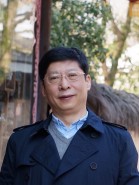
Zhejiang University
Selective attention from an information-theoretic perspective
November 2, 09:00–09:45
Lusha Zhu

Peking University
Inferences in game: a probe into social intelligence
November 2, 09:45–10:15
Xinwei Sun
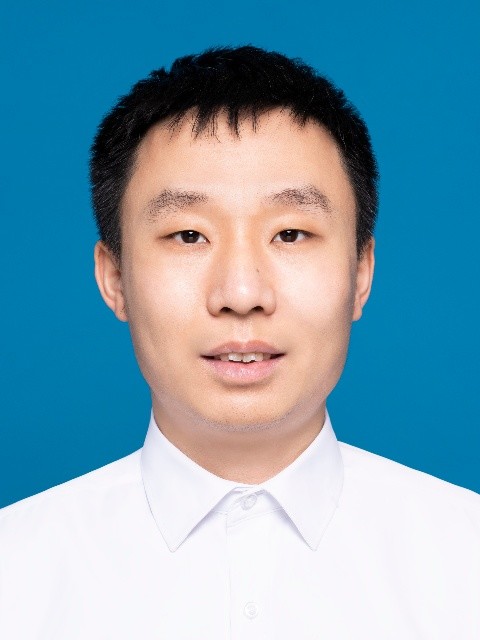
Fudan University
Causal discovery from subsampled time series data
November 2, 10:30–11:00
Kai Du
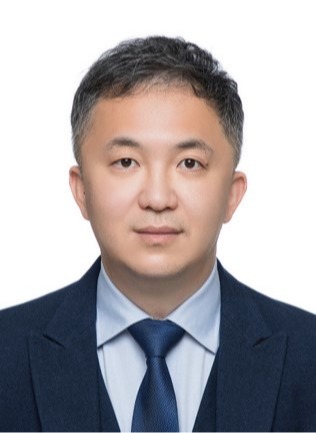
Peking University
Biophysically detailed brain simulation and beyond
November 2, 11:00–11:30
Fangwei Zhong
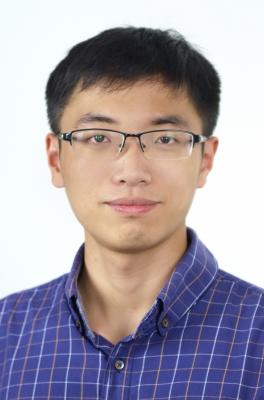
Beijing Normal University
Three Ingredients for Developing Autonomous Agents: Cognitive Architecture, Gaming Mechanism, and Environments
November 2, 11:30–12:00
Xiaolin Zhou
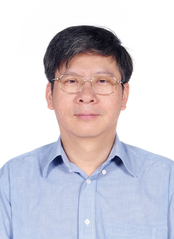
East China Normal University
From “motley crew” to “collective wisdom”: how leadership and opinion-sharing improve collective learning and decision-making
November 2, 13:30–14:15
Mark Nitzberg

University of California, Berkeley
Next Gen AI Safety and Ethics
November 2, 14:15–15:30
Kexin Yuan
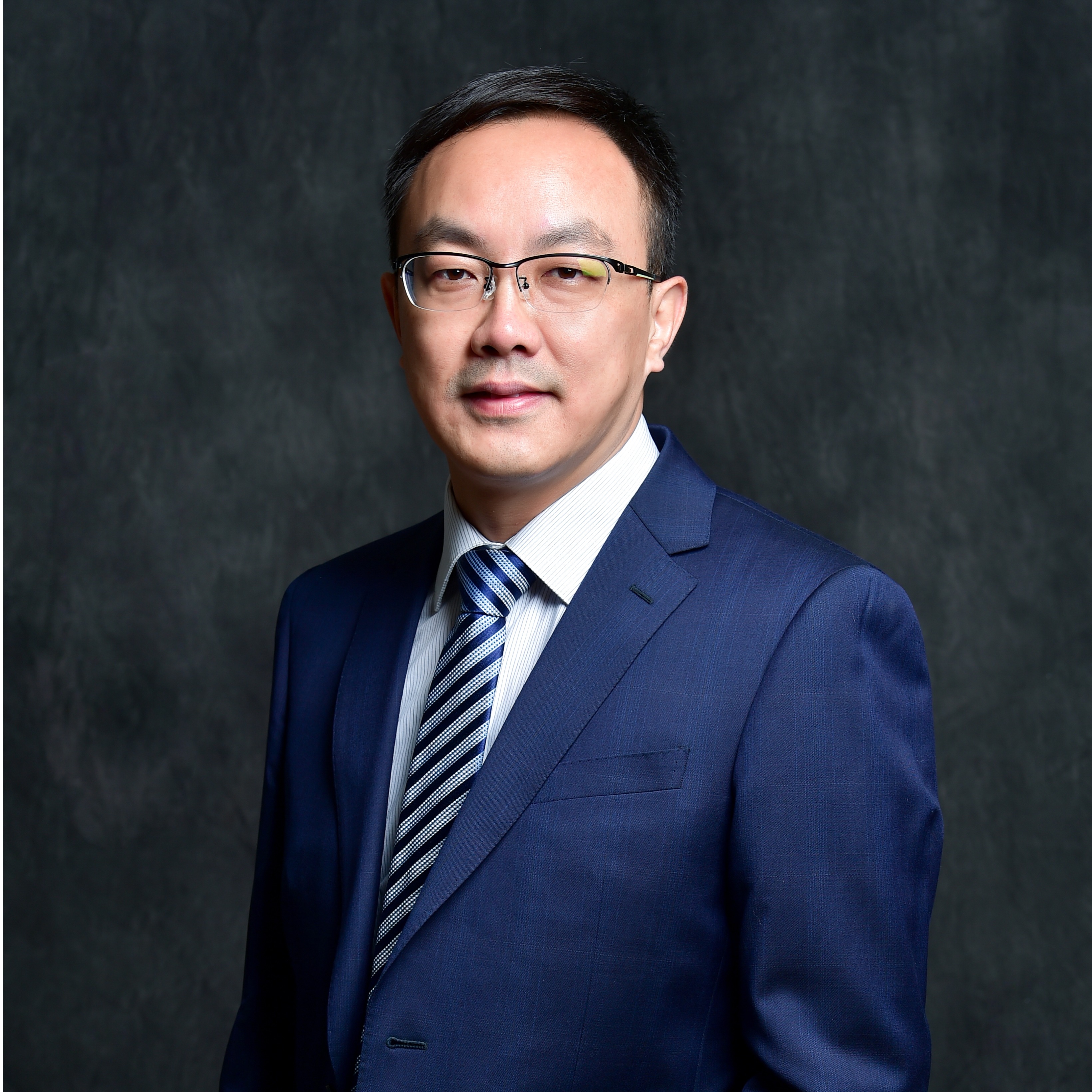
Tsinghua University
Unveiling trans-scale brain architecture through ionic glassy tissue
November 2, 15:30–16:00
Jiayu Zhan
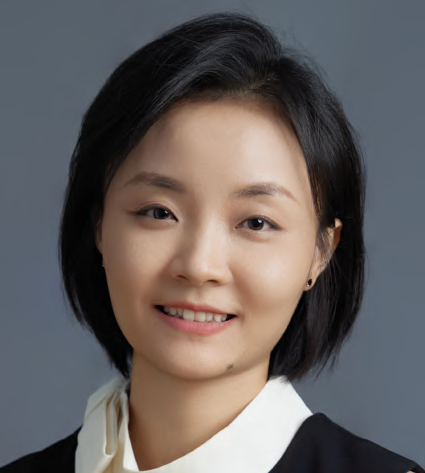
Peking University
Degrees of equivalence between human brain and DNN models
November 2, 16:15–16:45
Yujia Peng

Peking University
From Human Mind to Artificial General Intelligence
November 2, 16:45–17:15
Chi Zhang
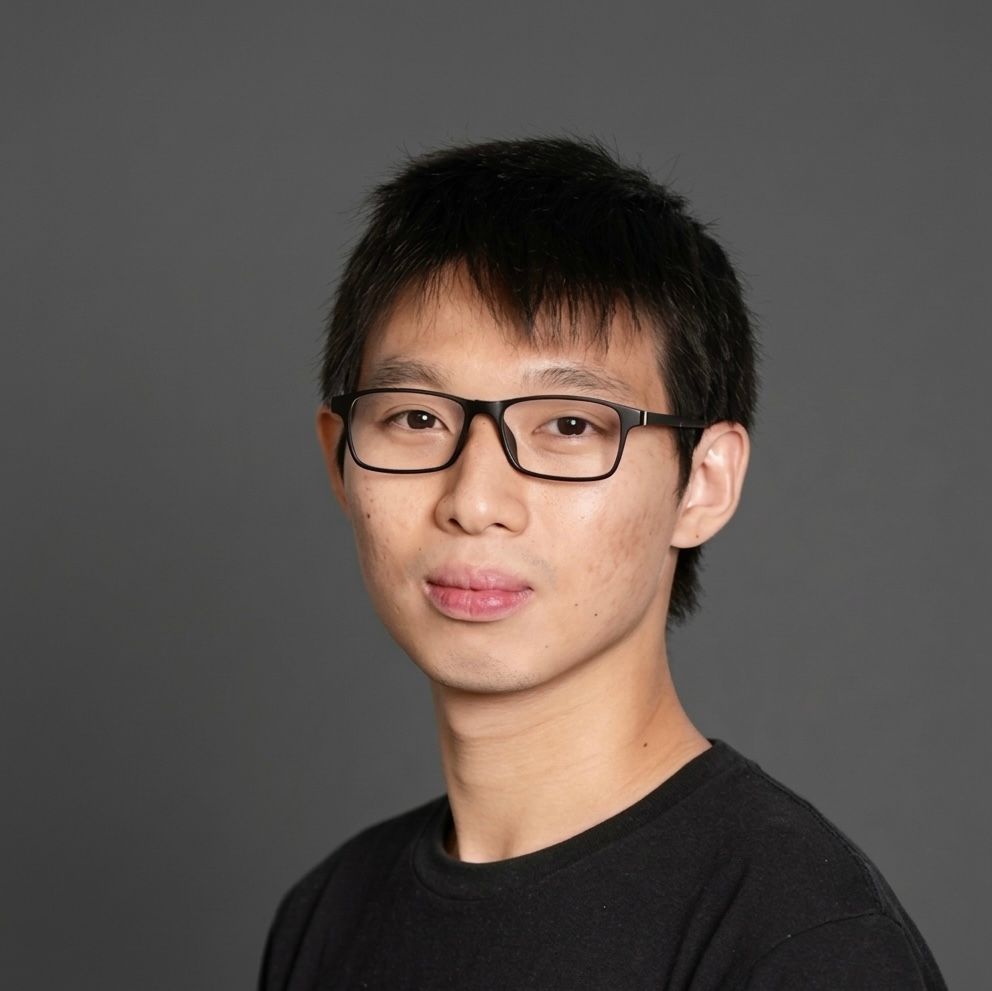
Beijing Institute for General Artificial Intelligence
Few-shot Concept Induction through Lenses of Intelligence Quotient Tests
November 2, 17:15–17:45
Organizers
Co-hosts
- Institute for Artificial Intelligence, Peking University
- State Key Laboratory of General Artificial Intelligence
Organizing center
Center for Computational Cognitive Science and Commonsense Reasoning, Institute for Artificial General Intelligence, Institute for Artificial Intelligence, Peking University
Conference Chairs
Song-Chun Zhu and Yizhou Wang
Program Chairs
Yixin Zhu
Materials
The workshop theme and Chinese-language talk titles have been translated into English. The original PDF preserves the published wording and complete agenda.