Scope and Aims
The Workshop on Cognitive Reasoning brings together researchers in psychology, neuroscience, and artificial intelligence to explore how humans and machines learn, represent the world, and reason about physical events and other minds. The series connects experimental evidence with computational models to address these questions in both biological and artificial systems.
Launched in 2024, the workshop creates a setting for research talks, discussion, and exchange across disciplines. Past programs have spanned attention, causal inference, social intelligence, brain simulation, world models, neural decoding, intuitive physics, and the human context of AI. Together, they reflect a common ambition: to understand the principles of intelligence and bring that understanding into the design of artificial systems.
Learning, Representations, and Reasoning
A central focus is how intelligent systems acquire knowledge and use it to understand their surroundings. This includes the representations that organize perception and experience, the processes that support inference, and the ways these processes guide action. Behavioral studies describe what people perceive, learn, and infer; neuroscience examines the biological processes that support those abilities; and computational models make assumptions about learning and reasoning explicit.
Brains and Machines
The series brings biological and artificial intelligence into the same discussion. Cognitive and neural findings can suggest useful questions for AI research, while artificial systems can help formulate and examine hypotheses about the mind and brain. Comparing their capabilities and limitations offers a way to ask which principles are shared and which depend on the system being studied. The 2025 theme, Cognitive Scaling: Bridging Brains and Machines, developed this dialogue through talks on structured world models, biological learning, neural accounts of reasoning, and human-centered AI.
Interdisciplinary Discussion
Researchers working on related problems often use different concepts, measurements, and standards of evidence. The workshop offers an opportunity to explain those choices, compare approaches, and identify questions that benefit from collaboration across fields. Its scope also includes how AI systems interact with people and how human-centered perspectives shape their development and evaluation. Research talks, discussion sessions, and informal exchange make room for these connections to develop.
Chairs Across the Series
Conference chairs, together with program and organizing committee chairs, are listed below, with the editions they served shown beneath each name.
Conference Chairs
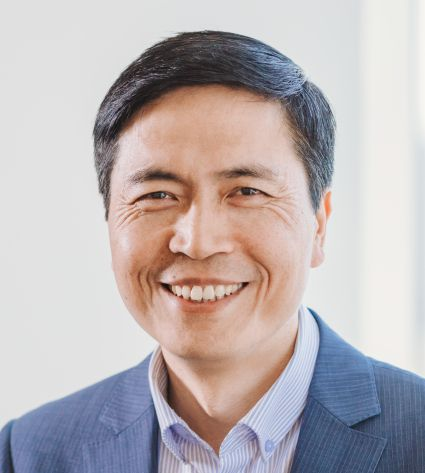 Song-Chun Zhu
 Yizhou Wang
 Yanchao Bi
Program and Organizing Committee Chairs
 Yixin Zhu
 Jiayu Zhan
 Qian Wang
 Yujia Peng
 Huihui Zhang
Speakers Across the Series
Featured speakers from the 2024, 2025, and 2026 editions are listed alphabetically by surname, then given name. Each year links to that speaker’s contribution in the corresponding program; affiliations are those listed for each speaker’s most recent edition. The full programs and speaker lists are available on each edition’s page.
 Kai Du
 Zaifeng Gao
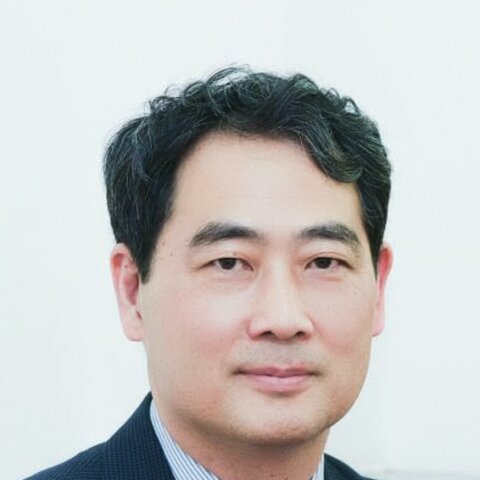 Sheng He
 Mohsen Jamali
 Hakwan Lau
 Yuanning Li
 Ka-Yuet Liu
 Quanying Liu
 Huan Luo
 Mark Nitzberg
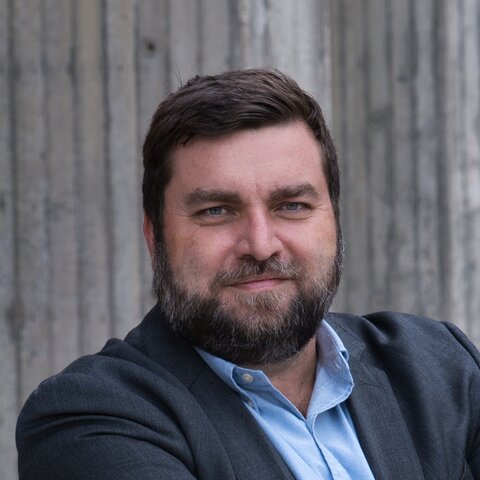 Federico Rossano
 Mowei Shen
 Elizabeth Spelke
 Xinwei Sun
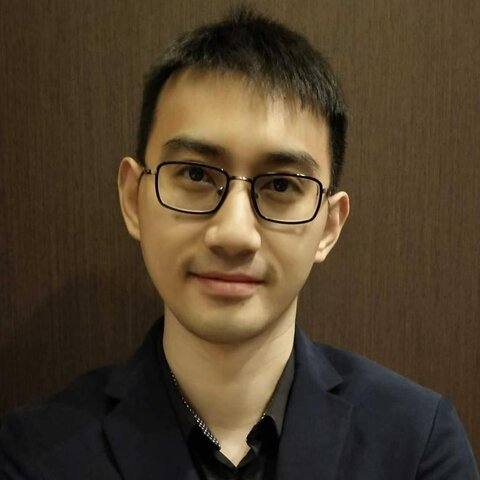 Yin Wang
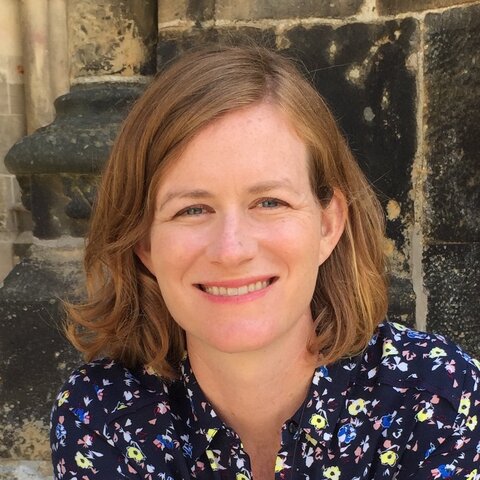 Anne E. C. White
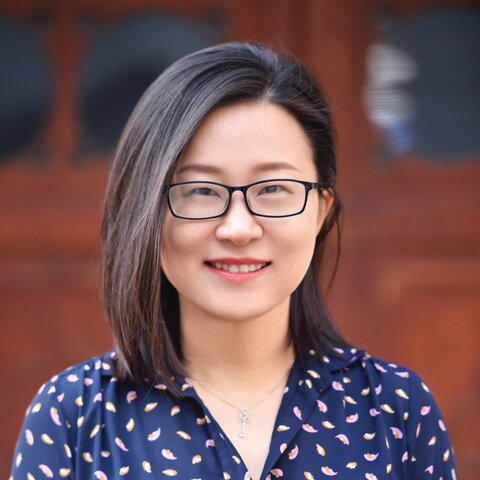 Xi Yu
Xi Yu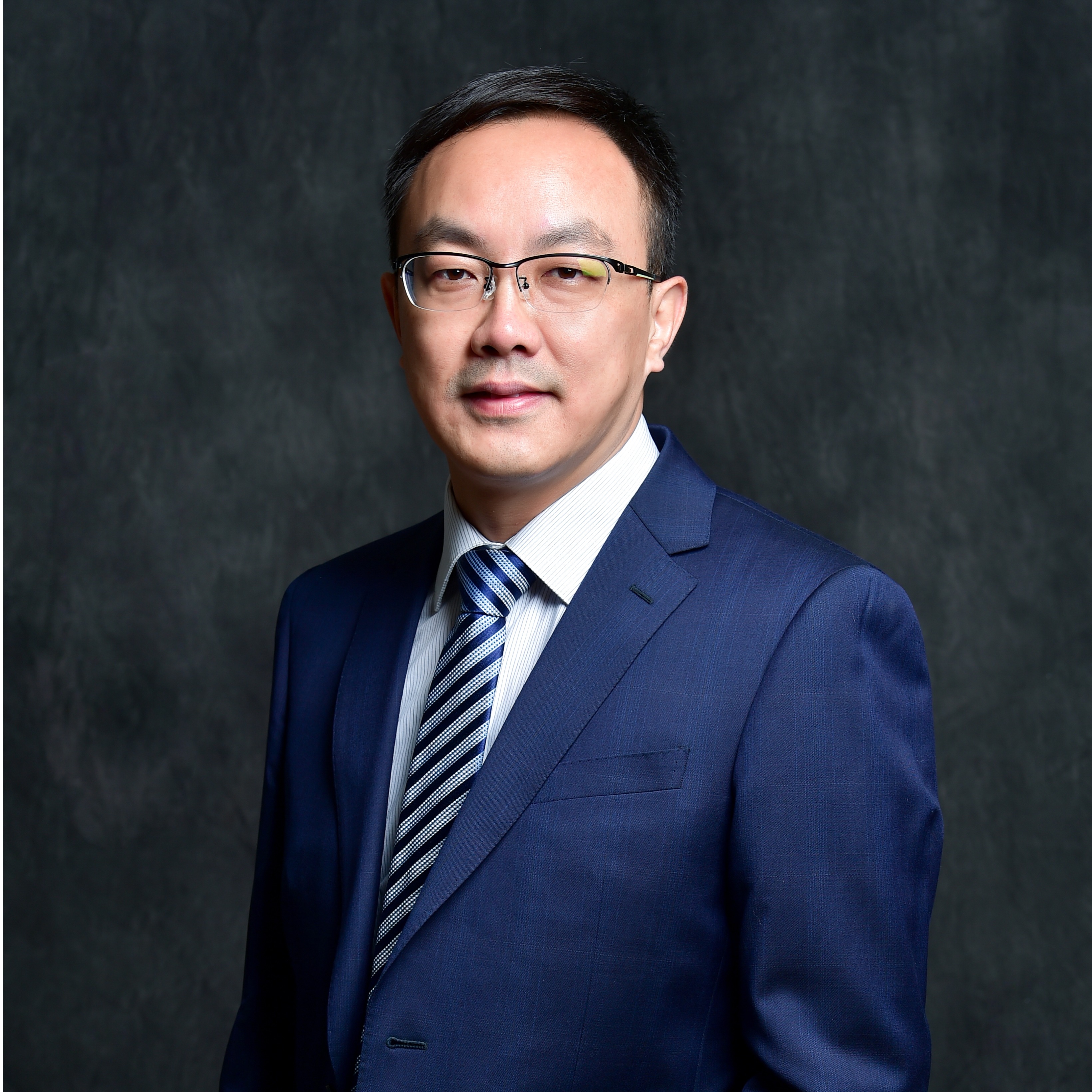 Kexin Yuan
 Chi Zhang
 Ruyuan Zhang
 Fangwei Zhong
 Chen Zhou
 Xiaolin Zhou
 Lusha Zhu
Past Workshops
- Workshop on Cognitive Reasoning 2025: Cognitive Scaling: Bridging Brains and Machines, May 26–27, 2025. Full program, speaker abstracts and biographies, and the original program and handbook.
- Workshop on Cognitive Reasoning 2024: the inaugural workshop, November 2, 2024. Program, speakers, and original agenda.
The annual archive preserves each edition’s program and materials so that the conversations remain accessible beyond the workshop itself.